
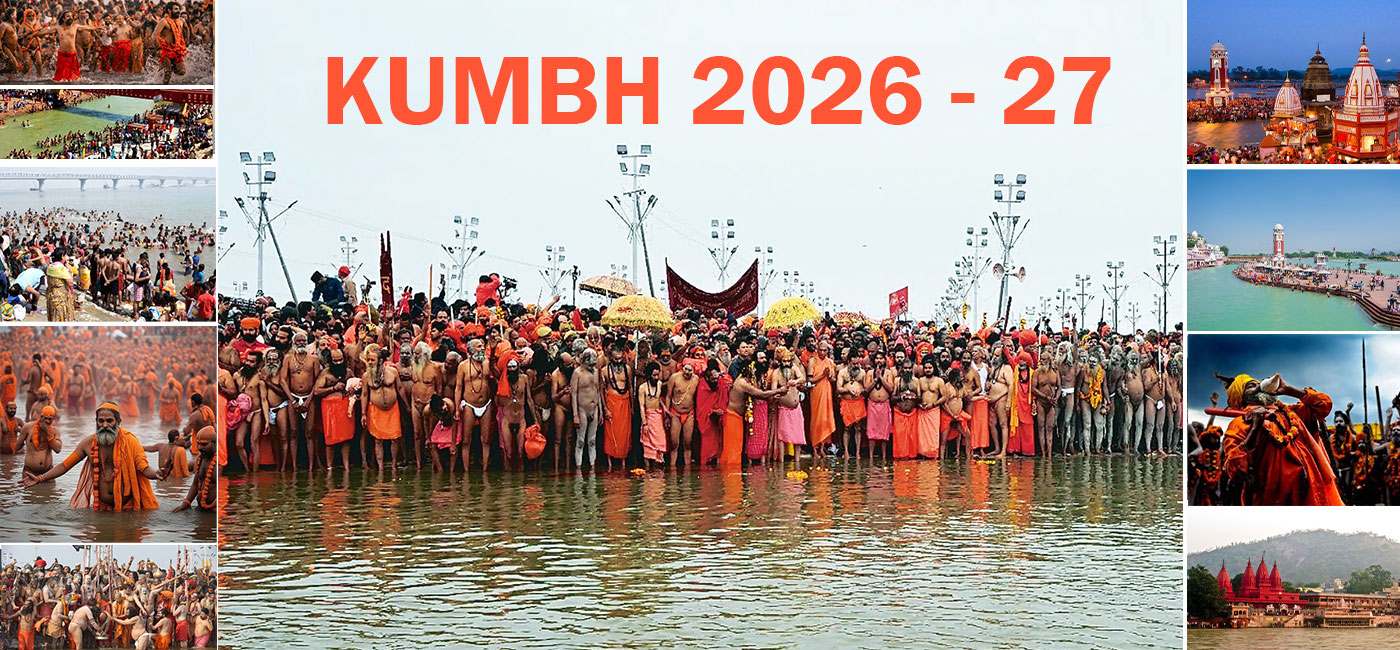
2026: The Year of Preparation
The spiritual and physical energy in Haridwar begins to peak in the latter half of 2026. This period is the "quiet before the tide," characterized by:
- Dhwajarohan (Flag Hoisting): The symbolic start where each Akhara hoists its sacred flag, signaling the official occupation of their designated camps.
- Infrastructure Sprint: Projects like the Haridwar Ganga Corridor and the renovation of over 100 bathing ghats are being accelerated to ensure completion before the first dip in January.
- Monastic Arrival: The arrival of the Naga Sadhus and various seers starts late in 2026, as they establish their chhavanis (tented townships) along the riverbanks.
- Flag Hoisting (Late 2026): This marks the formal invitation to the gods and the beginning of the mela's spiritual jurisdiction.
- Peshwai Processions: In the final months of 2026, you will see the grand arrival of various Akharas. The Naga Sadhus and Mahamandaleshwars enter the city in gold-plated palanquins with traditional music and weaponry.
- The Descent of the Ganga: Unlike Prayagraj (where the river is wide and calm), the Ganga in Haridwar is fast-moving and crystal clear as it just leaves the Himalayas.
- Har Ki Pauri: The "Footstep of God" is the focal point. Taking a dip here during the Kumbh period is believed to grant Moksha (liberation from the cycle of rebirth).
- Panchpuri: The Mela spreads across the five sacred areas of Haridwar: Har ki Pauri, Kankhal, Jawalapur, Mayapur, and Rishikesh.
While "Ardh" means "half," the 2027 event is being touted as a "Mini Maha Kumbh" because it is the first time in an Ardh cycle that the government is providing the full administrative and financial scale usually reserved for the 12-year Purna Kumbh. The Ardh Kumbh Mela 2027 is being conceptualized not just as a religious gathering, but as a global benchmark for "Digital and Green" event management. With an approved budget of ₹1,200 crore, the Uttarakhand government is treating this Ardh Kumbh with the magnitude of a Maha Kumbh, integrating Silicon Valley tech with Vedic traditions.